

Custom Airflow Solutions
Built Around Your Process
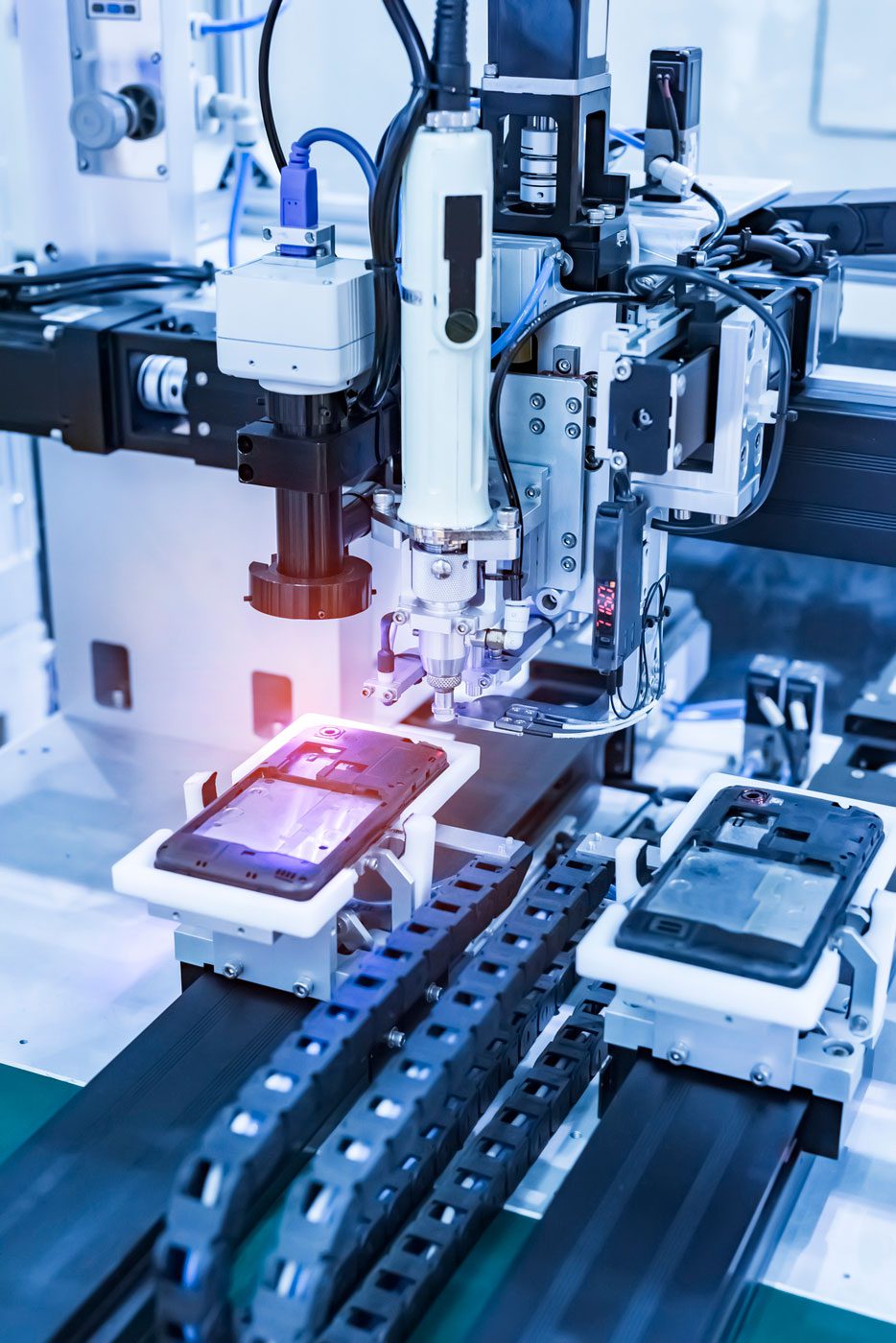
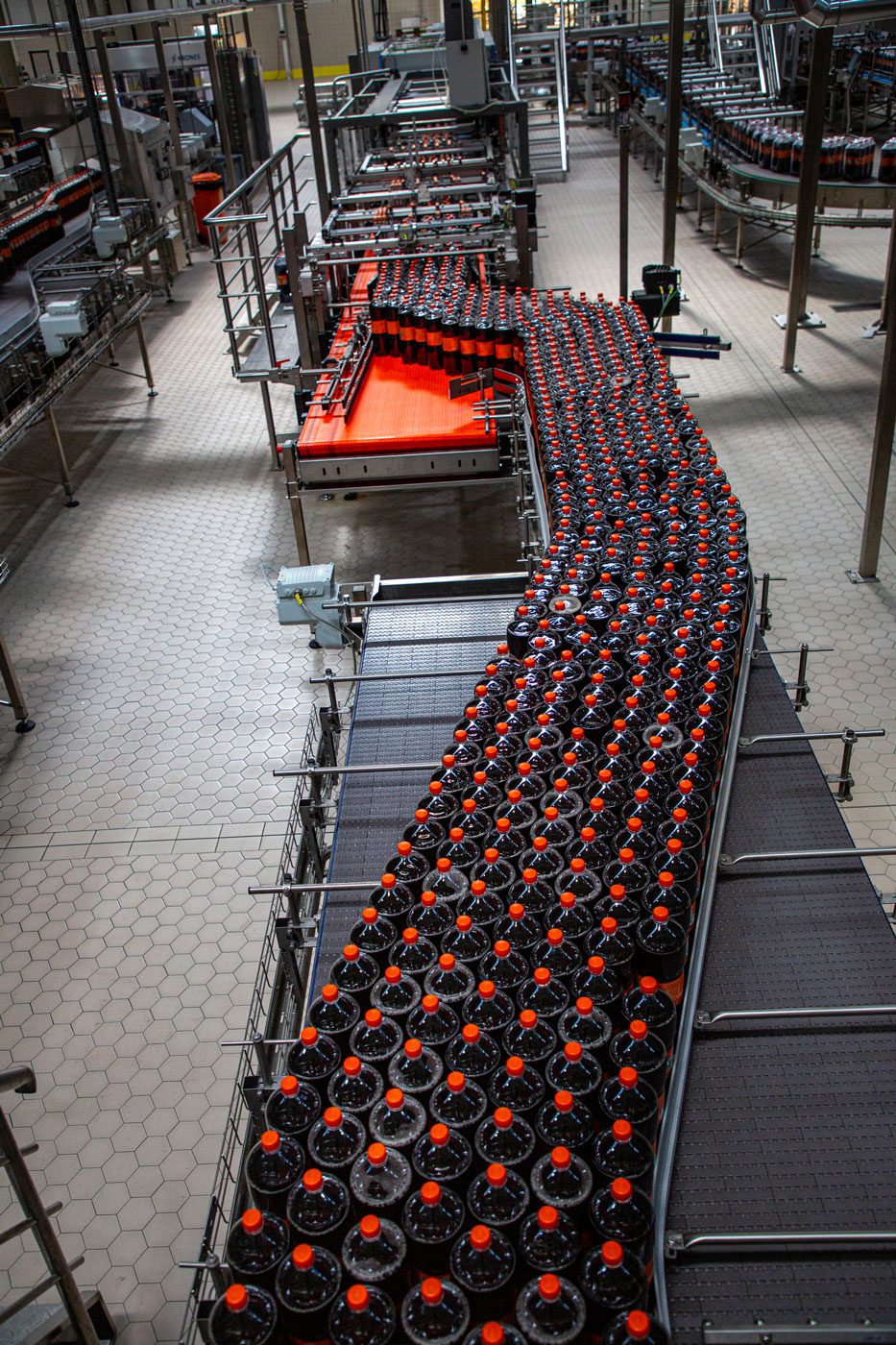
Every production line is different. That’s why Maxum evaluates your workflow, your environment, and the challenges you’re solving and then matches you with the right high-velocity air solution. No guesswork. No over-engineering. Just proven results.
Proven Across Countless Industries
Wherever moisture, debris, or oil causes delays or defects, Maxum provides a solution.
Common Applications
Bottling & beverage lines
Food processing & packaging
Industrial parts washing
Consumer Goods Manufacturing
Custom Blow-Off Solutions, Delivered
Here are a few of the companies using Maxum’s Advanced Air Blow-off technology.


















How We Work
With You
We take a simple, practical approach:
- Understand your line - What are you removing? Water, oils, crumbs, dust, condensation.
- Identify where airflow creates the biggest impact - Drying, cleaning, cooling, surface prep, or debris removal.
- Recommend the right configuration - Blowers, air knives, nozzles, or our patented Nozzle Bar system, all tested, proven, consistent, repeatable, and reliable.
- Support implementation - Our team helps ensure your system integrates cleanly into your wash, rinse, dry, or finishing steps.

Where Maxum Solutions Excel
High-velocity airflow solves problems across dozens of industries:

Moisture removal after washing, rinsing, cooling, or pasteurizing

Debris and dust removal after machining, grinding, sawing, milling, cutting, or router operations

Surface prep before coating, printing, labeling, or packaging

Controlled airflow for cooling, aeration, or chemical processes
Maxum doesn’t reinvent your line, we help make it run cleaner, faster, and more efficiently through high-velocity air blow-off systems engineered around your process.
FAQ About High-Velocity Air Blow-off Systems
What is high-velocity air blowoff?
High-velocity air blow-off systems use fast-moving, controlled airflow to remove water, oil, dust or debris from products and surfaces. Compared to compressed air, high-velocity air blowoff solutions do more work with less energy.
How is high-velocity air different from compressed air?
Compressed air relies on very high pressure, and this stored energy is both expensive and inefficient. High-velocity air focuses on speed, direction, and control, delivering better results while using far less energy.
Is high-velocity air really more energy efficient?
Yes. In most applications, high-velocity air systems use significantly less energy than compressed air, often reducing operating costs by 50–80% depending on the process.
What types of applications use air blowoff systems?
Any process that needs drying, cleaning, cooling, or debris removal can benefit. Common uses include:
• Bottle and container drying
• Parts washer rinse drying
• Food packaging and labeling prep
• Dust and debris removal
• Cooling between production stages
Can high-velocity air replace compressed air on my line?
In many cases, yes. Maxum regularly helps manufacturers replace compressed air blowoff with high-velocity systems that perform better and cost less to operate.
Do I need to know exactly what product I need?
Not at all. Most customers come to Maxum with a process challenge, not a product spec. We help identify the right solution based on what you’re drying, cleaning, or removing.
Is high-velocity air safe for delicate products?
Yes. Properly engineered airflow can be powerful without being damaging. Maxum systems are designed to match velocity and coverage to your product and line speed.
How quickly do these systems pay for themselves?
Many customers see ROI in months, not years, thanks to reduced energy costs, less downtime, and improved throughput.
Can these systems be customized for my process?
Yes. Every Maxum solution is application specific. Airflow, placement, mounting, and coverage are all engineered around your exact process.
What does “Rinse to Ready” mean?
“Rinse to Ready” describes the final step where products move from washing or rinsing to being clean, dry, and ready for labeling, coating, assembly, or packaging. That’s where Maxum airflow makes the biggest difference.